Why Regular ADAS Calibration is Essential
Published on: Saturday, 24 January 2026 | Author: Jessica Bird
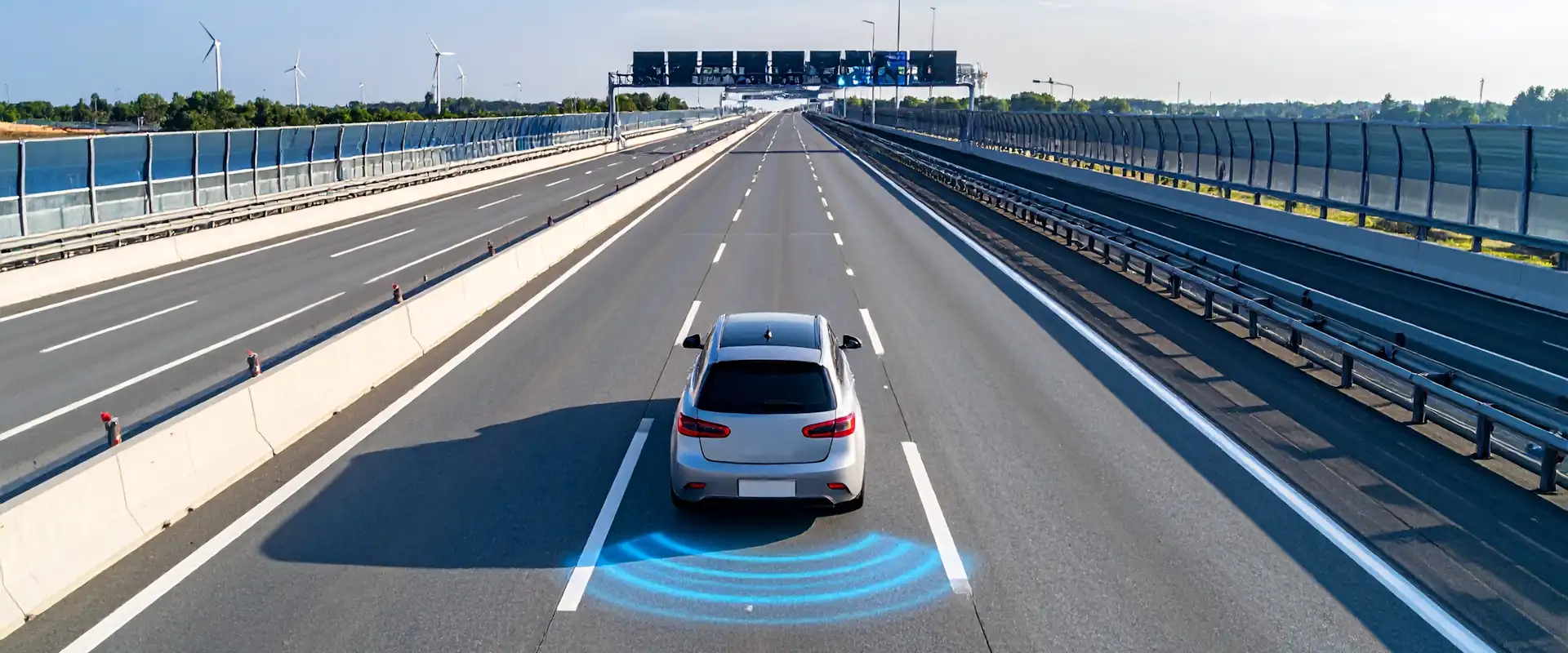
Modern cars are packed with technology designed to make driving safer, smoother, and less stressful. Features like automatic emergency braking, lane keep assist, and adaptive cruise control are now commonplace on UK roads, and many drivers rely on them every day without giving them much thought.
All of these features fall under one umbrella: Advanced Driver Assistance Systems, or ADAS. Designed to support drivers and reduce the risk of accidents, these systems play a vital role in modern vehicle safety.
However, there’s one important detail many drivers overlook. For ADAS to work as intended, the systems behind it need to be set up with a high degree of accuracy, something that can change over time without being immediately obvious.
What ADAAS does (and how it keeps you safe)
ADAS is a collective term for electronic systems that assist drivers with steering, braking, acceleration, and awareness of their surroundings. Using cameras, sensors, and radar, these systems continuously monitor the road and respond to potential hazards in real time.
- Features such as automatic emergency braking, lane departure warning, adaptive cruise control, blind spot monitoring, traffic sign recognition, and parking assistance all rely on this technology.
- Working together, they provide an extra layer of protection, helping drivers react sooner and avoid dangerous situations altogether.
To do this effectively, each sensor and camera must be precisely positioned. Even a small deviation can affect how accurately the system judges distances, lane markings, or the movement of other vehicles.
Why calibration matters more than you might think
ADAS sensors don’t “learn” as they go; they rely on fixed reference points set by the vehicle manufacturer. Calibration ensures these reference points are correct, allowing systems to judge distances, speeds, and positions accurately.
Think of ADAS sensors as your car’s eyesight. If that eyesight becomes slightly misaligned, the car may still function normally, but its ability to judge danger is compromised. A camera that’s just a few millimetres out of position could misjudge how close another vehicle is, or fail to recognise lane markings correctly.
Calibration realigns these systems so they perform exactly as designed, ensuring safety features respond at the right time and in the right way.
When does a car need ADAS calibration?
Many drivers assume ADAS calibration is only required after a serious accident, but in reality, several everyday situations can affect sensor alignment.
- Windscreen replacements are one of the most common triggers. Forward-facing cameras are often mounted behind the windscreen, and even a perfectly fitted replacement can alter their positioning.
- Similarly, wheel alignment or suspension work can subtly change the angles at which sensors operate.
- Minor impacts can also be enough. Hitting a kerb, driving over a deep pothole, or being involved in a low-speed collision may not leave visible damage, but it can still knock sensors out of alignment. In some cases, your car will alert you with a dashboard warning light, but miscalibration isn’t always immediately obvious.
This is why calibration checks are often recommended as part of ongoing vehicle maintenance, rather than only after major repairs.

What happens if ADAS isn't calibrated properly?
Driving with an uncalibrated ADAS system doesn’t usually stop your car from functioning, but it can significantly reduce the reliability of key safety features.
Automatic emergency braking may activate too late, or in some cases, when it’s not needed. Lane keep assist might feel overly sensitive or fail to intervene at all. Adaptive cruise control could misjudge the distance to the vehicle in front, leading to uncomfortable or unsafe driving behaviour.
There are practical implications, too. If a miscalibrated system triggers a warning light, it could lead to an MOT failure. In the event of an accident, insurers may also investigate whether safety systems were functioning correctly, which can complicate claims if faults are discovered.
Put simply, ADAS that isn’t properly calibrated can undermine the very safety benefits it’s designed to provide.
The benefits of regular ADAS calibration
Keeping your ADAS calibrated ensures your vehicle’s safety systems remain accurate, predictable, and reliable.
- With everything correctly aligned, features like automatic braking and lane assistance can respond smoothly and consistently, reducing the risk of sudden or unexpected behaviour.
- Properly calibrated systems support better overall vehicle performance, especially when combined with correct wheel alignment and tyre setup. Everything works together as intended, improving handling, stability, and driver confidence.
- Most importantly, regular calibration offers peace of mind. Knowing that your car’s advanced safety technology is working exactly as it should allows you to focus on the road ahead, rather than worrying about whether your systems will react correctly in an emergency.
How calibration is carried out
ADAS calibration is a precise process that requires specialist equipment and trained technicians. Depending on the vehicle and system, calibration may be carried out statically with the car positioned in front of calibration targets, or dynamically, using controlled driving conditions to recalibrate sensors on the road.
Because manufacturers specify exact procedures and tolerances, calibration can’t be done accurately without the right tools or expertise. This is why it’s important to have calibration checks performed by professionals like those at Tyre Pros who understand both the technology and the vehicle.
Making ADAS part of your regular maintenance
As ADAS becomes more common, calibration is quickly becoming a standard part of responsible car ownership. Many drivers now choose to have their systems checked during annual servicing or after any work involving windscreens, wheels, or suspension components.
If a warning light appears, or your car’s safety features don’t feel quite right, it’s always worth having them checked sooner rather than later. Addressing calibration early can help prevent more serious issues down the line and ensure your car continues to offer the level of protection it was designed to provide.
Driving with confidence
Advanced Driver Assistance Systems have transformed the way we drive, making modern vehicles safer than ever before. But, like any technology, they only deliver those benefits when they’re set up and maintained correctly.
Regular ADAS calibration keeps your car’s safety features accurate, responsive, and reliable, protecting you, your passengers, and other road users. If your vehicle has recently had work carried out, or if you’re unsure when your ADAS systems were last checked, having them calibrated by trained technicians is a simple step that can make a real difference.
With specialist equipment and expert support available at Tyre Pros centres nationwide, getting your ADAS calibration checked is easy, and it helps ensure every journey is backed by the safety technology your car was designed to deliver. Find out which Tyre Pro centres can carry out ADAS calibration here.


